The Restaurant Conference 2025
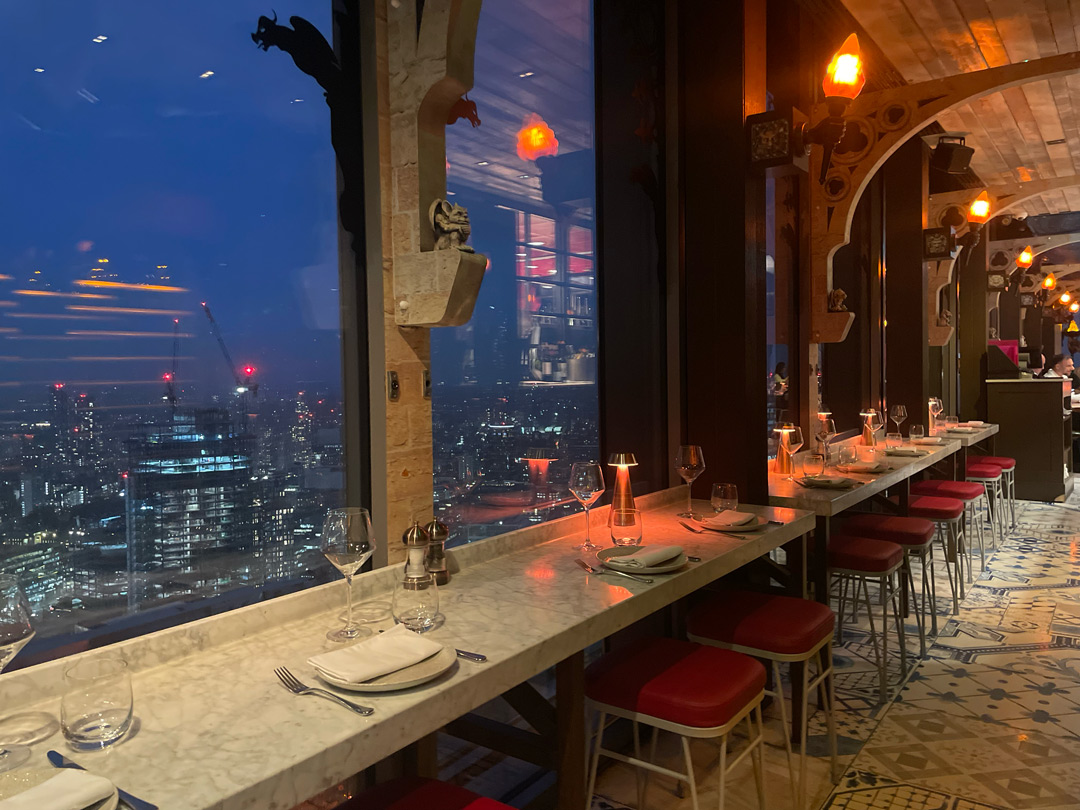
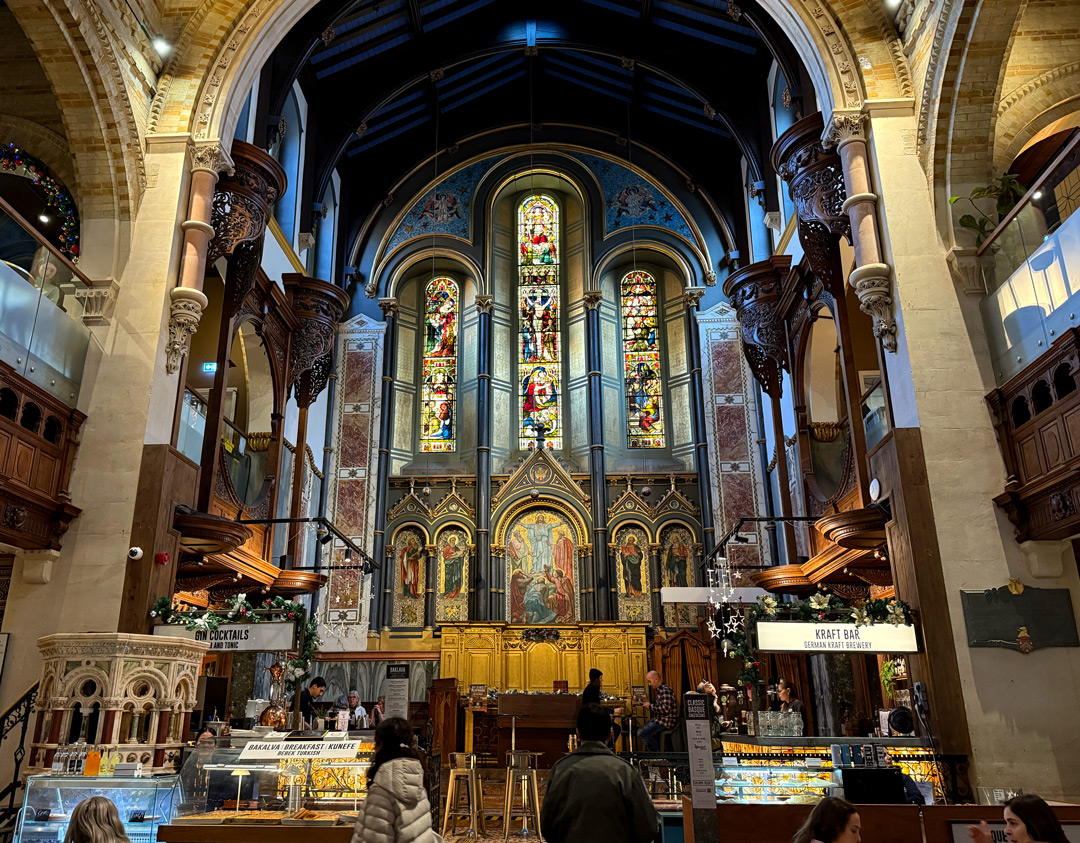
Ham Yard Hotel
1 Ham Yard,
London W1D 7DT
Read time: 3 mins 30 secs
MCA’s Restaurant Conference 2025 at Ham Yard Hotel brought together many of the industry’s most influential leaders, rising operators and innovators. Throughout the day, one crucial recurring theme was that the UK restaurant sector continues to be powered by creativity and restless reinvention, qualities that are becoming even more critical as consumer expectations shift and operating pressures rise.
Insights from Lumina Intelligence set the tone, highlighting a sector where cost pressures remain high and visit patterns continue to evolve. Quick-service restaurants are gaining ground, particularly among 18 to 24-year-olds whose preference for speed and value is reshaping the market. Service-led restaurants remain strongest among 25 to 34-year-olds, while average spend differences between restaurants and QSRs are narrowing. The average spend in restaurants is £31.06 compared to £17.88 in QSR, a gap that continues to close. Operators such as Wagamama and Gaucho have launched faster, sharper value offers in response. Health-led menus and the rise of smaller portions are emerging as essential, influenced in part by the growing use of GLP-1 and a broader shift toward mindful dining.
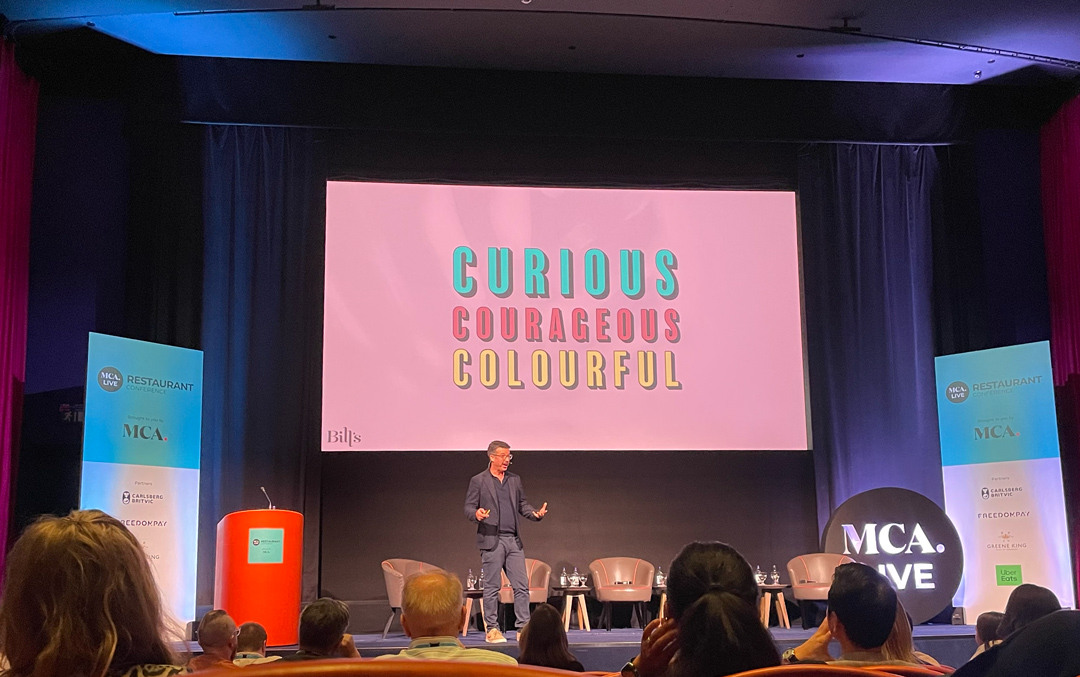
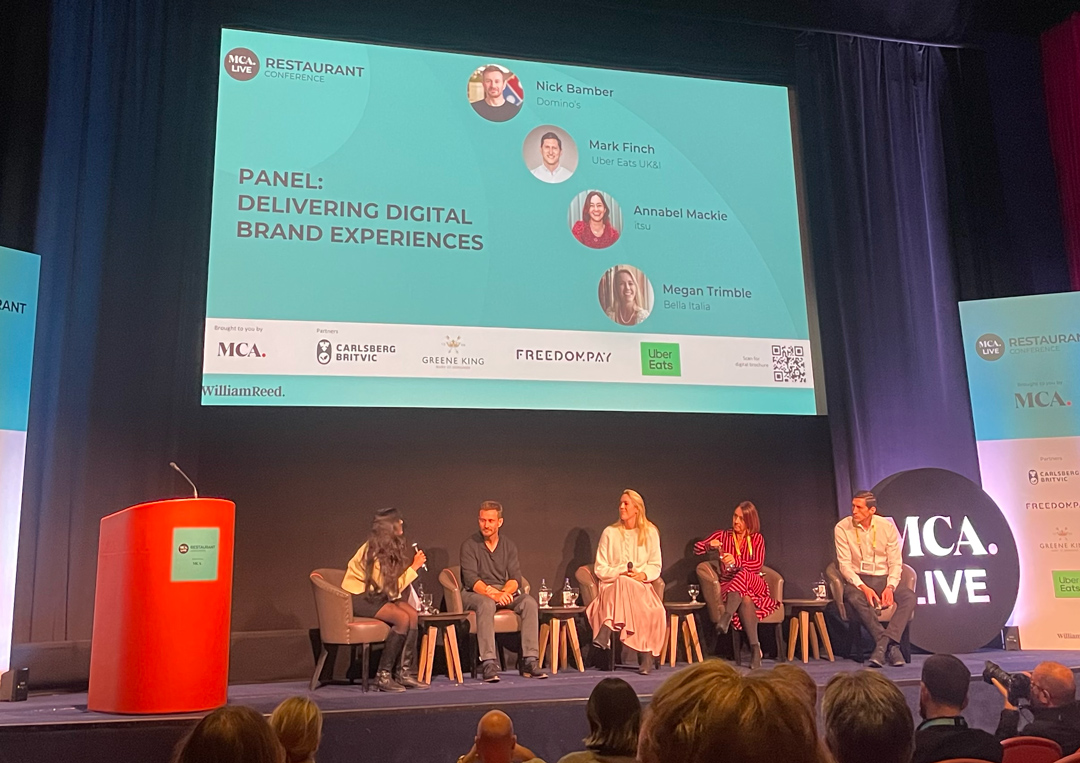
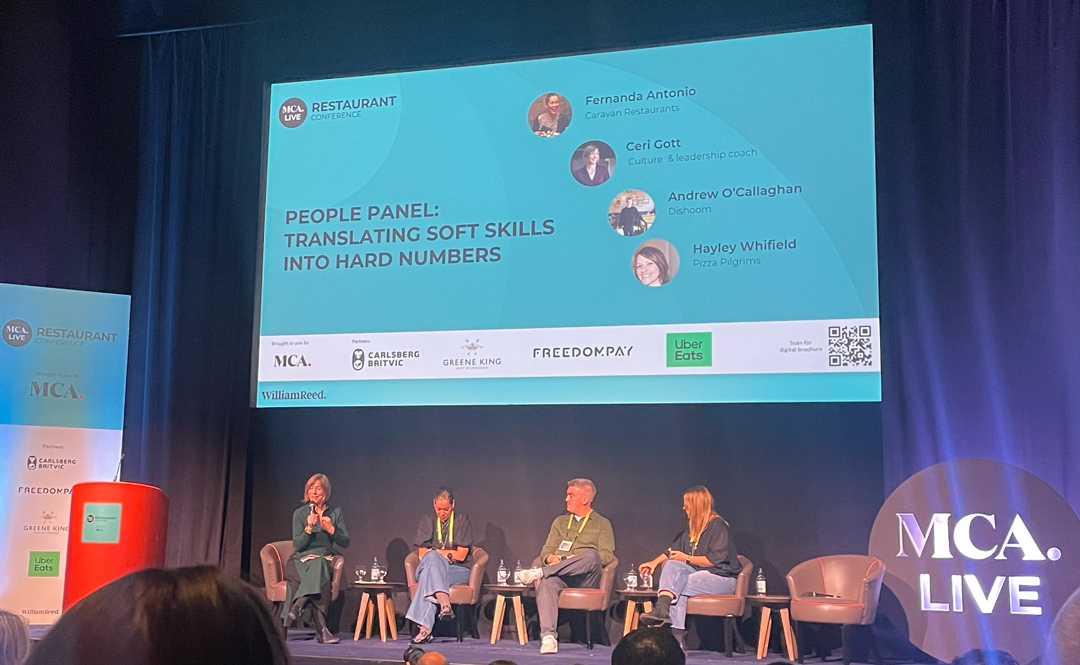
Throughout the day, speakers emphasised that people and culture remain the heart of hospitality. Leadership conversations underscored the importance of nurturing teams, building careers rather than jobs and investing in the energy required to inspire and retain talent. Bill’s, for example, shared how its business transformation hinged not only on modernising tech but on re-anchoring the brand in curiosity, courage and bring colourful.
Speakers discussed balancing human insight with technology. KFC, celebrating 60 years in the UK and Ireland, outlined substantial investment plans and highlighted programmes designed to create opportunity and long-term employability. Rob Swain, GM, stressed the importance of building opportunities for others through initiatives such as their Hatch programme, which provides pre-employment skills. Similarly, businesses like Dishoom and Pizza Pilgrims demonstrated how culture-driven decisions can deliver measurable commercial impact, whether through transparency, B Corp credentials or a commitment to big-hearted service.
Innovation was a recurring thread throughout. Azzurri Group showcased how acquisitions such as Dave’s Hot Chicken are diversifying the portfolio while experimenting with playful experience-led touchpoints to elevate mid-market casual dining. Newer concepts like Xi Home Dumplings Bay, Brother Marcus and The Breadstall presented approaches rooted in craft, authenticity and a refusal to compromise on integrity. Seb Vince shared that The Breadstall closes or delays openings if the dough fails quality checks, prioritising integrity over short-term sales. Slower strategic expansion was championed as essential to building sustainable brands.
Market dynamics were also explored through a financial lens. Younger consumers continue to prioritise food and drink experiences over retail, and operators that embrace speed, clarity and simplicity in the guest journey, such as Flat Iron, are outperforming without sacrificing warmth.
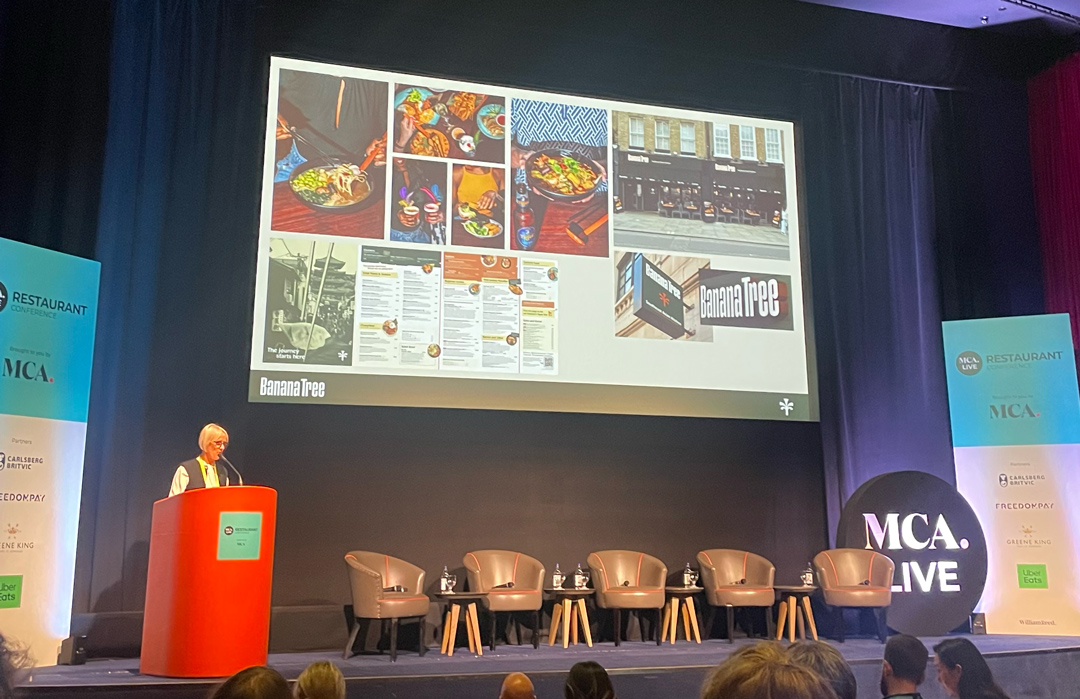
Premium brands too are redefining their place in the market. The Evolv Collection outlined its work to reconnect each brand to its core DNA, reinforcing the idea that substance and authenticity are indispensable to high-end dining. Banana Tree’s journey showed how a founder-led spirit can scale nationally when paired with attentive use of feedback and social engagement.
Looking further ahead, industry leader, Des Gunewardena, pointed to new international opportunities. India, in particular, is emerging as a fast-growing, high-potential market for premium dining, driven by an expanding economy. (There was a lot of commentary of the upcoming budget announcements.)
Across all discussions, several themes stood out:
- A strong and authentic brand identity is becoming a crucial differentiator in a crowded market
- Product strategies are increasingly shaped by value, health and portion control
- People and culture are continually recognised as tangible drivers of commercial performance
- Joy, connection and memorable experiences are emerging as competitive essentials, not just nice-to-haves
Ultimately, the conference reinforced that hospitality, despite the growth of tech and the speed of change, remains a human industry. Guests want great food delivered by teams who genuinely care. The businesses that thrive will be those that understand who they are (know their DNA), invest in their people and create experiences that feel worth the spend every time.
Posted: 14 November 2025