Restaurant Marketer & Innovator European Summit (RMI) 2026
Hilton Bankside
20th/21st January 2026
Read time: 2 mins 30 seconds
It was great to attend the Restaurant Marketer & Innovator European Summit (RMI) this January, an important event for senior leaders across restaurant marketing, innovation and strategy. Bringing together operators, insight specialists, founders and marketers from across Europe, the summit explored how brands can grow profitably at a time when consumer expectations are rising, costs remain high and differentiation is harder than ever.
Across two days, talks and discussions spanned five core themes: Value & Market Insight, Brand & Category Innovation, Growth & Localisation Strategy, Next-Gen Audiences & Technology, and Operational & Leadership Takeaways. Running through them all were central themes of value and connection — and how restaurants must increasingly deliver both.
The summit offered a wealth of insight, but here’s a breakdown into our essential areas:
Pressure & premiumisation
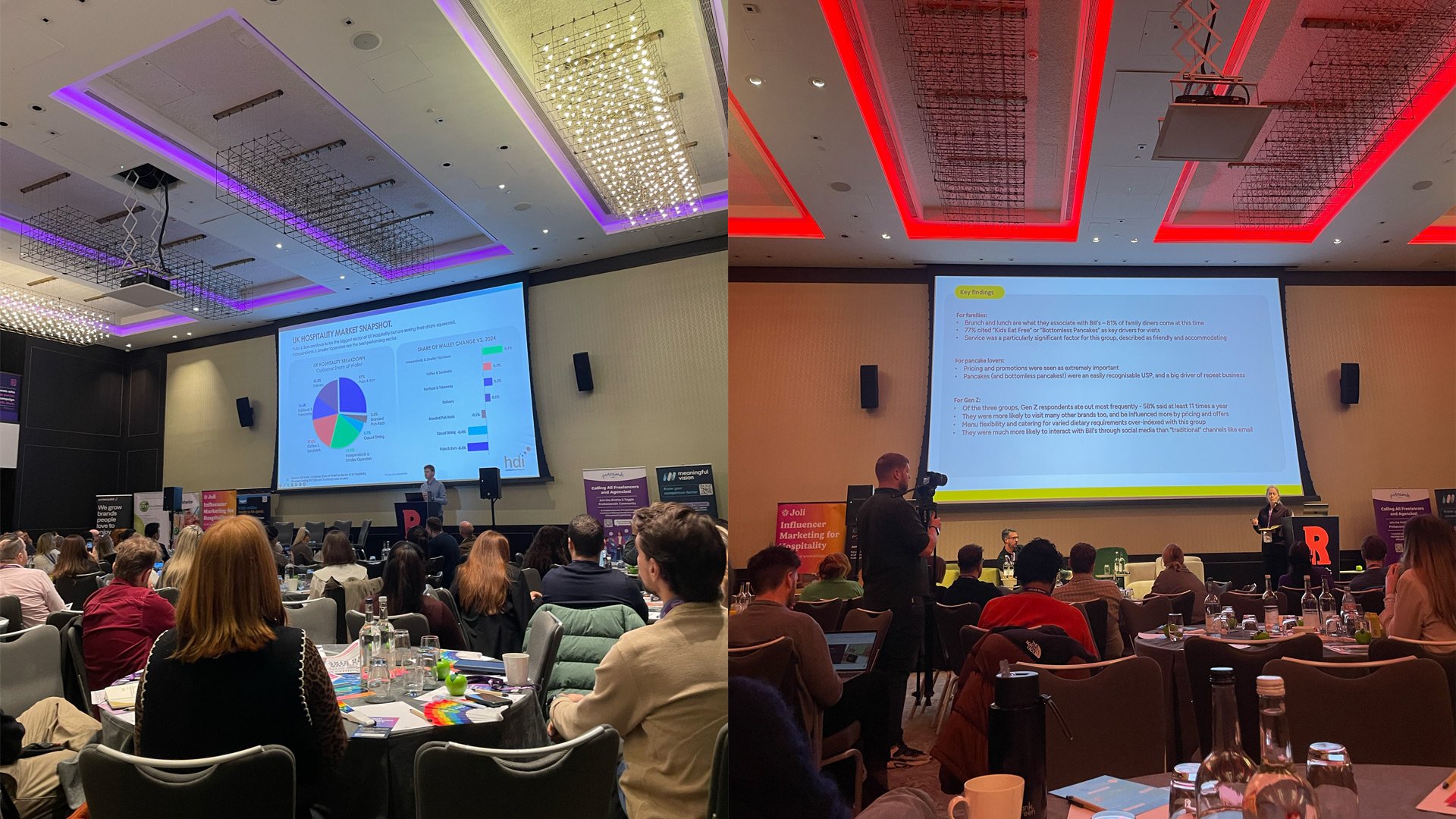
Speakers highlighted the convergence of QSR and casual dining, with premium fast-food brands raising quality while casual dining focuses on value. Rising labour and food costs are squeezing profits, forcing operators to make careful decisions on menus, service and promotions.
- Christmas menus rose by circa 4%, with fewer free drinks and simplified offers.
- Emerging trends, such as weight-loss drugs, are shaping menus and portion sizes.
Value insights and £5 still matters
Value is increasingly delivered through either product or experience, and pricing strategies need to be data-driven. Meaningful Vision emphasised segmenting promotions based on real customer behaviour rather than blanket offers.
- £5 remains a psychological sweet spot for meal deals; above £5.50–£6 triggers perceived expense. Bella Italia referenced this also.
- Consumers are willing to pay up to 20% more for products featured in social trends (TikTok).
Premium fast food & chicken growth
Brands such as Wingstop, Dave’s Hot Chicken, and Bleeker are capturing market share with high-quality, flavour-focused fast food. Marketing activations tailored to the UK market, such as long queues for limited offers, illustrate the growing appeal of premium chicken and elevated quick-service formats.
- Younger, higher-income consumers prefer premium options over lowest-cost alternatives.
- Celebrity-backed brands like Dave’s Hot Chicken are successfully localising US concepts for the UK.
Experience as value
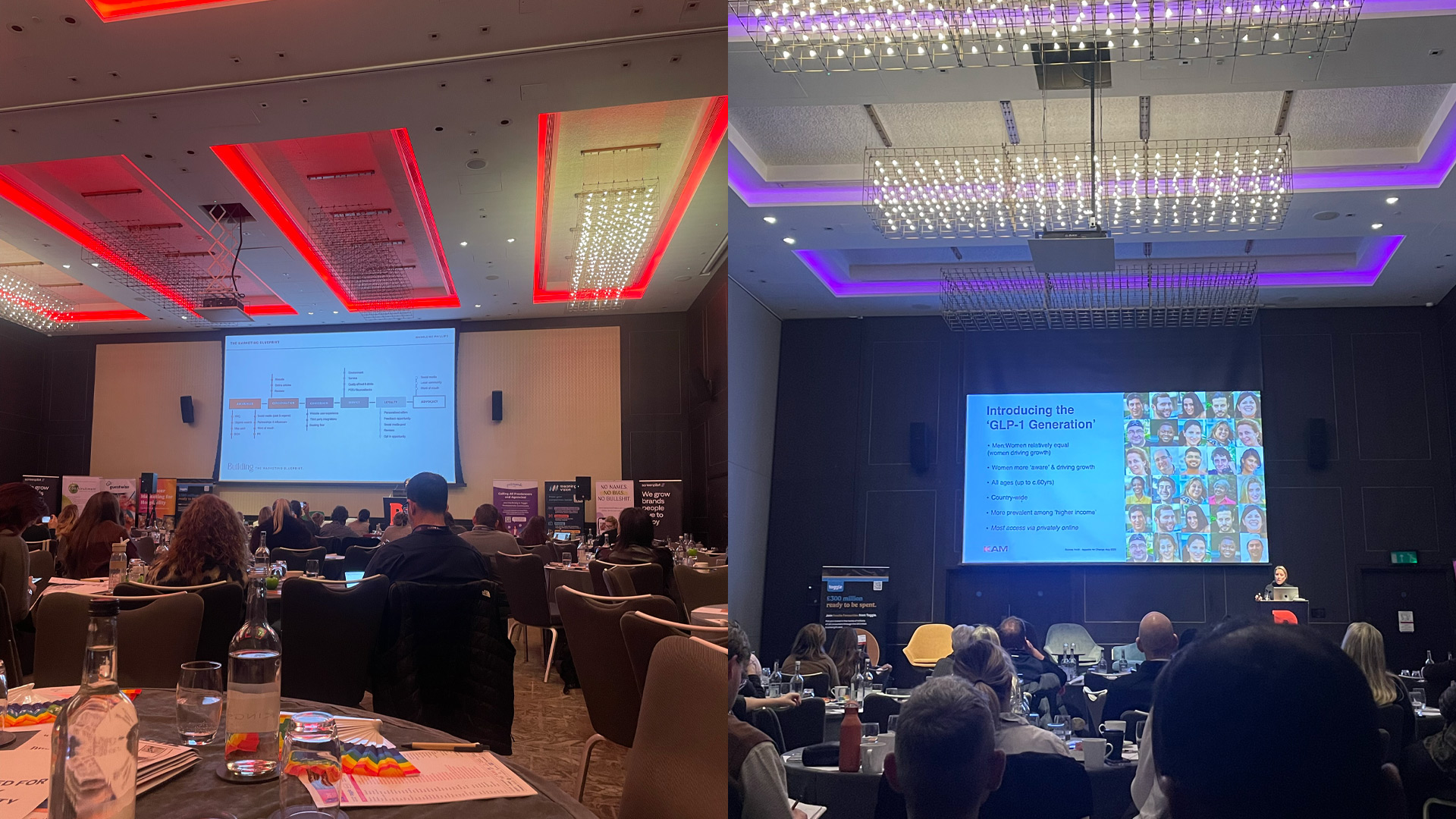
Experience-led hospitality is proving to be as important as food quality. Dishoom’s founder, Kavi Thakrar, highlighted the importance of brand storytelling and selfless service philosophy (Seva) to deepen connections with customers.
- Dishoom’s “Meal for a Meal” charity initiative aligns social impact with brand values.
- Tigermilk demonstrated the need to adapt menus and experiences for local markets.
Data, honesty & board alignment
Marketing teams were encouraged to align closely with commercial reality, understanding business goals and performance data. Bill’s shared insights from acustomer-attended board session, revealing practical improvements.
- Activations like Franco Manca’s pizza-route running initiative align community engagement with revenue.
- Emotional connection drives customer frequency and spend.
Community, social & “Doing less, better”
Community engagement and authentic social strategies were highlighted as key drivers of loyalty. Northern Irish brands like Sugar Snaps, Juice Jar and Orto Pizza demonstrate the power of “building in public” and of fostering local fan communities.
- Shorter, less polished content and employee advocacy can strengthen brand presence.
- Marketers need to balance long-term brand building with reactive “bums on seats” tactics.
Even premium groups like Aqua Restaurant Group are adapting social strategies, favouring shorter, less polished content that shows chefs at work or staff stories. Marie Guenot, Marketing Director at Aqua, highlighted employees as brand ambassadors, reinforcing a point echoed elsewhere: teams must be invested in, not just marketed around.
Summary
The future of a restaurant brand depends on understanding your customers, telling compelling stories and executing consistently. Success comes from aligning brand, experience and commercial reality.
Posted: 26 January 2026